Best Jobs for People With ADHD (And Why “Best” Looks Different)
When people search for ADHD jobs, they’re often not looking for a perfect career—they’re looking for relief. Relief from burnout, constant overwhelm, and the feeling that work is harder for them than it seems to be for everyone else.
The truth is, there’s no single “best” job for people with ADHD. But there are work environments, roles, and structures that make ADHD and work more manageable—and even fulfilling.
This post breaks down what actually matters when it comes to ADHD and employment, why some jobs drain us faster than others, and which careers tend to work with ADHD brains instead of against them.
First: Why Work Can Be So Hard With ADHD
ADHD isn’t just about distraction. It affects how we regulate attention, energy, emotions, and time. Many traditional jobs are built around skills that rely heavily on executive function—planning, prioritising, working memory, and sustained focus.
Common workplace struggles include:
ADHD inattention during long meetings or repetitive tasks
Difficulty initiating tasks without urgency
Trouble managing deadlines and time blindness
Becoming overwhelmed by cognitive overload (too many tasks, messages, or decisions at once)
When a job constantly taxes these areas without support, even a role you love can become unsustainable.
What Makes a Job ADHD-Friendly?
Before listing specific careers, it helps to understand what tends to work well for ADHD brains.
ADHD-friendly jobs often include:
Variety and novelty
Clear, short feedback loops
Physical movement or hands-on work
Flexible structure instead of rigid micromanagement
Results-focused performance rather than time-based productivity
On the flip side, jobs that are heavy on repetitive tasks, constant interruptions, or vague expectations often intensify burnout.
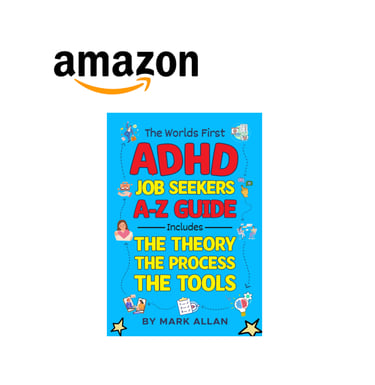
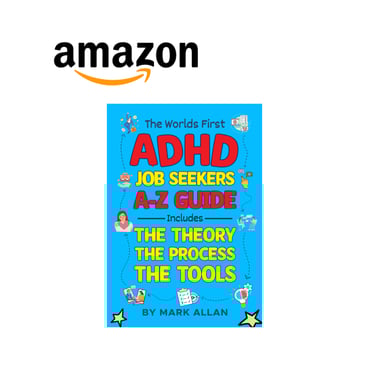
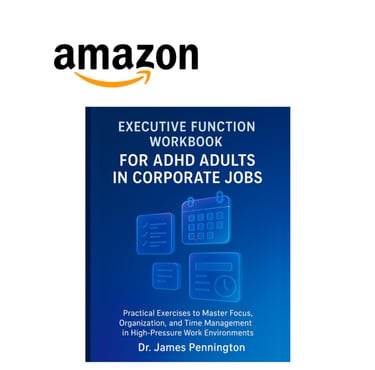
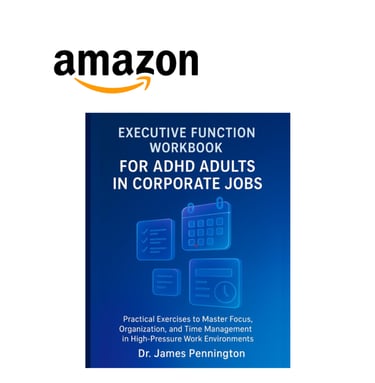
Useful books:
Best Jobs for People With ADHD
1. Creative Careers
Examples: writer, designer, marketer, video editor, photographer
Creative work often rewards idea generation, problem-solving, and originality—areas where many people with ADHD thrive. These roles can offer flexibility, project-based deadlines, and opportunities to hyperfocus.
Why they work:
High novelty keeps attention engaged
Creativity reduces boredom-driven inattention
Many allow freelance or flexible schedules
Potential challenge: administrative tasks can pile up, so external systems help.
2. Trades & Hands-On Jobs
Examples: electrician, mechanic, carpenter, HVAC technician
Hands-on work reduces cognitive overload by engaging the body as well as the mind. Clear tasks, visible progress, and physical movement can make these jobs surprisingly supportive for ADHD.
Why they work:
Immediate feedback
Clear start-and-finish tasks
Less time stuck behind a desk
3. Healthcare & Emergency Roles
Examples: EMT, nurse, paramedic, ER technician
Fast-paced environments can help regulate attention by providing urgency and structure. For some, high-stakes situations quiet mental noise rather than increase it.
Why they work:
Clear priorities
Built-in urgency
Team-based accountability
Important note: these roles can be emotionally demanding, so burnout prevention is key.
4. Tech & Problem-Solving Roles
Examples: software developer, data analyst, IT support, cybersecurity
Many tech roles focus on solving defined problems rather than managing endless tasks. When structured well, they can reduce unnecessary cognitive overload.
Why they work:
Problem-focused work encourages hyperfocus
Logical systems support executive function
Remote work options are common
5. Entrepreneurship & Self-Employment
Examples: small business owner, consultant, freelancer
For some people, traditional ADHD and employment structures are the problem—not the work itself. Self-employment allows you to design your workflow around your brain instead of forcing yourself into a rigid system.
Why they work:
Autonomy over schedule and environment
Ability to delegate or outsource weak areas
Work aligned with interest-based motivation
Caution: structure still matters—external accountability is essential.
6. Education & Coaching
Examples: teacher, tutor, ADHD coach, corporate trainer
Teaching can be stimulating, social, and purpose-driven. Many educators with ADHD find that explaining concepts and engaging with people keeps them focused in ways desk work doesn’t.
Why they work:
Dynamic, people-centered work
Built-in routines with variation
Meaningful feedback from students or clients
7. Sales, Hospitality & People-Focused Jobs
Examples: sales rep, recruiter, event coordinator, bartender
High interaction, fast feedback, and variety can make these roles energizing rather than draining.
Why they work:
Social engagement boosts dopamine
Performance is often results-based
Less solitary, repetitive work
Jobs That Can Be Harder (Without Support)
This doesn’t mean you can’t do these jobs—but they often require accommodations or strong coping systems:
Highly repetitive data-entry roles
Jobs with constant multitasking and interruptions
Work with unclear expectations or shifting priorities
Roles that rely heavily on self-directed long-term planning
Without support, these environments can amplify ADHD inattention and executive dysfunction.
A Better Question Than “What Job Is Best?”
Instead of asking “What are the best ADHD jobs?”, try asking:
What kind of structure helps me function?
Do I need novelty or predictability?
How much social interaction energizes me?
What accommodations would reduce cognitive overload?
Success with ADHD and work isn’t about finding a magical job—it’s about finding (or shaping) a role that supports how your brain works.
Final Thoughts
People with ADHD are not bad employees. We are often highly creative, intuitive problem-solvers with deep empathy and innovative thinking. When ADHD and employment align with our strengths—and when executive function challenges are supported instead of punished—work can become not just survivable, but meaningful.
You don’t need to fit the job.
The job should fit you.